
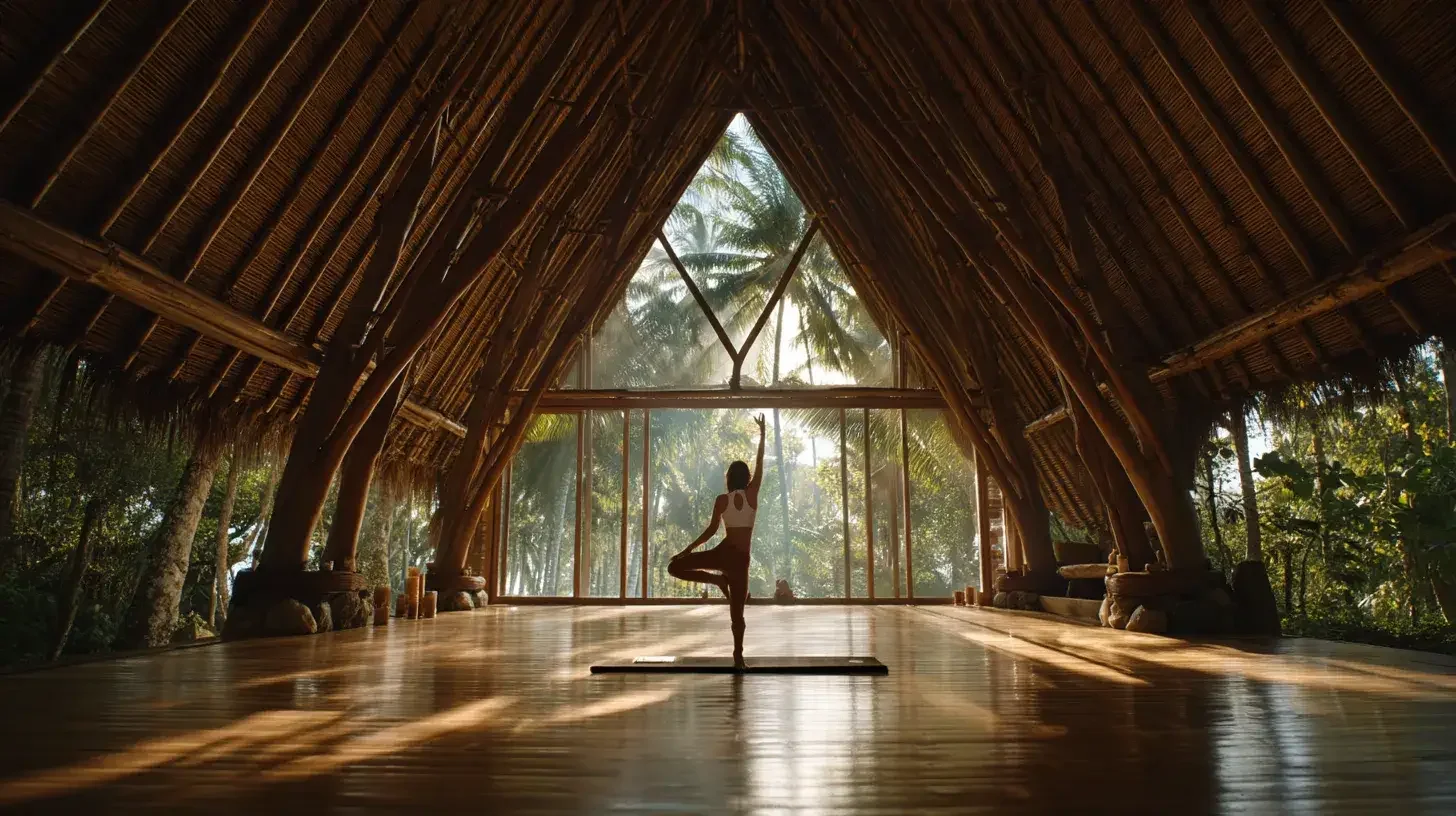
yoga teacher mentorship
Helping teachers discover their voice and authenticityHow Yoga Teacher Mentorship Can Benefit Teachers
Yoga Teacher Mentorship supports yoga teachers at all stages of their journey in developing confidence, clarity, and sustainability in both their teaching and professional path. This work goes beyond sequencing and cueing to support the whole teacher — presence, voice, self-trust, discernment, and the capacity to hold space with integrity.
Rather than focusing solely on what to teach, mentorship emphasizes how you teach and who you are while teaching. The intention is to help teachers feel grounded, resourced, and aligned, so their teaching can evolve organically rather than being driven by pressure, comparison, or burnout.
Foundations, Lineage & Teaching Influences
This mentorship is informed by yogic philosophy and Buddhist psychology, alongside modern somatic and mindfulness-based approaches. Together, these frameworks support embodied awareness, discernment, and non-reactive presence — essential qualities for teaching with clarity, responsiveness, and integrity.
Additional lineages and approaches that inform this work include Seven Doorways Vinyasa, power vinyasa, and yin yoga. Seven Doorways Vinyasa emphasizes breath-led movement, intelligent sequencing, rhythmic pacing, and a teaching philosophy that balances structure with freedom, supporting authentic expression through dynamic movement. Within this approach, teachers learn to hold clear containers while remaining responsive to the energy of the room and the lived experience of students.
A central aspect of this ideology is the integration of free flow within structured classes — not as improvisation for its own sake, but as a way to invite inquiry, presence, and authentic expression through dynamic movement. Teachers are supported in moving beyond rigid choreography while maintaining safety, clarity, and intention. Power vinyasa contributes strength, heat, and dynamic progression, while yin yoga offers stillness, sensation-based awareness, and balance — together supporting classes that are both invigorating and grounding.
This work is also informed by functional mobility principles drawn from training through B Movement Academy. These principles support an understanding of how joints move, load, and adapt over time, and how strength, mobility, and stability can be integrated skillfully within yoga classes. Rather than treating mobility as separate from yoga, functional movement concepts are woven into sequencing, transitions, and free flow in a way that feels accessible, embodied, and coherent.
Within these approaches, music is used intentionally as part of the teaching experience, shaping timing, energy, and the felt sense of the room rather than serving as background or performance. Breath, movement, and music are woven together to create classes that feel cohesive, immersive, and grounded.
Ashtanga Vinyasa–informed principles contribute continuity of breath, structural clarity, and disciplined simplicity, while Vipassana meditation and Buddhist teachings support the cultivation of awareness, steadiness, and insight—helping teachers guide experience without over-intellectualizing the practice.
Collectively, these influences support a teaching approach that is grounded, embodied, and adaptable, allowing teachers to draw from multiple lineages while developing a teaching voice and style that feels authentic, responsive, and sustainable.
Sequencing & Dynamic Class Design
Sequencing support focuses on helping teachers understand how and why a class is built, rather than memorizing formulas or peak-pose templates. Teachers are supported in developing sequences that feel intentional, adaptable, and responsive to the students in front of them.
This includes:
Building coherent, well-paced classes
Understanding transitions and energetic progression
Designing dynamic sequences that evolve organically
Adapting structure in real time as class needs shift
The emphasis is on sequencing that feels reliable without being rigid, allowing teachers to hold structure while remaining present and responsive.
Free Style Yoga & Authentic Expression
An important element of this mentorship includes learning how to teach free style yoga, or how to thoughtfully incorporate moments of free movement within structured classes.
For teachers who did not train in free-flow–based styles, mentorship supports building comfort with:
Open-ended movement
Invitational language
Cueing that encourages inner listening and student choice
Free style yoga is approached not as something to perform or perfect, but as a way to help students explore their inner voice, authenticity, and freedom of expression—while maintaining safety, clarity, and intentional class design.
Sequencing for Sculpt, Shred & Strength-Based Classes
Mentorship also supports teachers who lead yoga sculpt, shred, or strength-based yoga classes, with an emphasis on sequencing that is intelligent, dynamic, and sustainable for both students and teachers.
Rather than approaching sculpt classes as simply adding weight or intensity to vinyasa, this work focuses on how strength, cardio, and dynamic movement are sequenced—so classes feel purposeful, balanced, and cohesive rather than exhausting or repetitive.
Teachers are supported in integrating free flow and authentic movement expression at the beginning of practice, allowing students to arrive in their bodies before introducing external load. This supports breath, awareness, joint preparation, and movement quality, creating a grounded foundation for strength-based work.
Mentorship also addresses how to work skillfully with music-driven classes, moving beyond simply teaching to the beat. Teachers learn how to use music to support rhythm, pacing, and energy while allowing for time under tension, intentional transitions, and moments of sustained effort—rather than constant tempo changes.
This work may include support with:
Building sculpt and shred classes with clear structure and progression
Layering strength work in a way that feels intentional rather than reactive
Integrating dynamic movement that supports coordination, strength, and mobility
Balancing intensity with recovery to reduce overuse and burnout
Maintaining flow and continuity while incorporating strength-based elements
The emphasis is on movement quality, pacing, and discernment, helping teachers move beyond rigid templates or high-intensity-for-its-own-sake approaches. Strength-based classes are approached as an opportunity to cultivate resilience, athleticism, and embodied awareness—held within a framework that supports longevity and sustainability.
Playlist Building & Intentional Use of Music
This mentorship includes support with playlist building as a practical and creative aspect of teaching. Teachers are supported in developing playlists that feel coherent, intentional, and aligned with the structure and pacing of their classes. The focus is on creating playlists that support the arc of a class—from arrival and warm-up through peak, integration, and closing—without feeling overly curated or performative.
For teachers who incorporate music into their classes, mentorship also includes support around the intentional use of music as part of the overall teaching experience. Rather than using music as background or atmosphere alone, the focus is on how music shapes attention, pacing, and the felt tone of a class.
This work supports teachers in developing discernment around:
When music supports presence and when silence is more appropriate
How tempo and rhythm interact with breath and movement
Choosing music that aligns with the arc and energy of a class
Using music in a way that feels supportive rather than distracting
Teachers are encouraged to build a relationship with music that feels thoughtful and aligned with their teaching voice, allowing it to serve the practice without overpowering it.
Theming
Theming support helps teachers develop themes that feel clear, relevant, and grounded, without over-explaining or forcing meaning onto a class. Rather than delivering concepts, themes are approached as gentle points of orientation that can naturally accompany physical practice.
Teachers are supported in learning how to:
Introduce themes simply and clearly
Weave themes lightly through language and cueing
Let meaning emerge through experience rather than explanation
Avoid themes that pull students out of embodied awareness
The goal is for theming to feel integrated, honest, and supportive of practice rather than performative or intellectualized.
Hands-On Assists
Mentorship includes guidance around hands-on assists as a supportive and optional element of teaching. Touch is approached as a form of communication—used thoughtfully to support awareness, clarity, and ease rather than to correct or impose shape.
Teachers are supported in developing discernment around when and how hands-on assists are appropriate, including clear consent practices, sensitivity to context, and honoring student autonomy. Hands-on assists are framed as one tool among many, used with presence, restraint, and integrity.
Teaching beyond the mat
An important focus of this mentorship is supporting teachers in moving beyond being anchored at the front of the room or teaching exclusively from their mat. While demonstration can be useful, staying on the mat for the entire class can limit both the teacher’s presence and the students’ experience.
Mentorship supports teachers in learning how to teach off the mat, move through the room with confidence, and share their presence more fully with students. This includes developing comfort with walking the space, observing, offering cues, and responding to what is actually happening in the room — rather than performing the class alongside students.
Teachers are supported in discerning:
When demonstration is helpful and when it is unnecessary
How to demo selectively and intentionally rather than continuously
How to teach without demoing at all, using clear language and presence
How to move through the room in a way that feels grounded, attentive, and non-intrusive
This approach allows students to experience yoga as a personal, internal process, rather than something to visually replicate. When students are freed from constantly looking at the teacher, they are invited into their own subjective experience — listening inward, exploring sensation, and moving in a way that feels authentic to their body.
At the same time, teachers are freed from the pressure of performing the entire class. Teaching off the mat creates space for observation, responsiveness, and genuine connection, allowing the teacher to hold the room rather than lead from a single position.
The emphasis is on cultivating a teaching presence that supports individual experience within a shared practice — honoring that yoga is not about looking a certain way, but about awareness, relationship, and lived experience in the body.
What Mentorship Can Support
Sessions are individualized and responsive, and may include support with:
Embodied teaching skills and presence
Voice, language, and communication
Sequencing, theming, and class pacing
Free style yoga and improvisational teaching
Functional mobility integration
Sculpt and strength-based class design
Boundaries, burnout prevention, and sustainability
Navigating the emotional and relational dynamics of teaching
Mentorship also addresses the inner landscape of being a teacher—working with doubt, comparison, imposter feelings, visibility, and the pressures that often arise in teaching spaces.
Who This Mentorship Is For
Yoga Teacher Mentorship is well suited for teachers who:
Feel stuck, overwhelmed, or underconfident
Are questioning their relationship to teaching
Want to teach with greater authenticity and presence
Are integrating free style, mobility, or strength-based approaches
Are ready to evolve their teaching in a more aligned way
The focus is on reconnecting teachers with why they teach, strengthening their capacity to lead with clarity and compassion, and cultivating a teaching style that supports both student agency and teacher sustainability.
Getting Started
If you’re feeling called to deepen your teaching, reconnect with your voice, or refine how you show up in the room, Yoga Teacher Mentorship offers a supportive space to explore that process.
“The role of the teacher is not to be the experience, but to create the conditions for students to experience more deeply.”
- Anonymous